Understanding the Query: "Murray New League Year" and the Search for Information
The phrase "Murray New League Year" suggests a compelling topic, likely centered around sports, league dynamics, or perhaps even a specific individual or institution named Murray. However, a comprehensive review of particular reference contexts—namely, admissions, bursar, and campus visit information for Murray State University—revealed no direct content related to "murray new league year." This initial finding highlights a common challenge in information retrieval: the specificity of a query versus the scope of available data. When a search yields no immediate results from expected sources, it prompts a deeper investigation into what the query might truly imply and where one should look next.
The absence of information within university administrative pages for Murray State is, upon reflection, entirely logical. An admissions page focuses on prospective student recruitment, academic programs, and campus life. The Bursar's Office details tuition fees, payment schedules, and financial policies. Campus visit guides are designed to showcase facilities and provide logistical information for visitors. None of these domains are typically platforms for announcing professional sports league updates, collegiate athletics' specific "new league year" events, or the activities of an individual athlete named Murray within a league context. Therefore, while the university is prominent, the specific nature of the original sources meant they were unlikely repositories for information matching our key phrase.
This scenario underscores the importance of not just *what* one searches for, but *where* one searches. If the goal is to uncover details about a "Murray New League Year," the initial sources, despite featuring "Murray," were simply not aligned with the probable intent behind such a query. This article will delve into potential interpretations of "Murray New League Year," outline strategies for effectively searching for such elusive information, and explore the broader significance of a "new league year" in various sporting landscapes.
Deconstructing the Phrase: What Could "Murray New League Year" Imply?
To effectively search for "Murray New League Year," it's crucial to break down the phrase and consider its various interpretations. Each component—"Murray," "New," and "League Year"—carries significant weight and potential ambiguity.
"Murray" as a Key Identifier
The term "Murray" could refer to a multitude of entities. Without further context, its meaning remains broad:
*
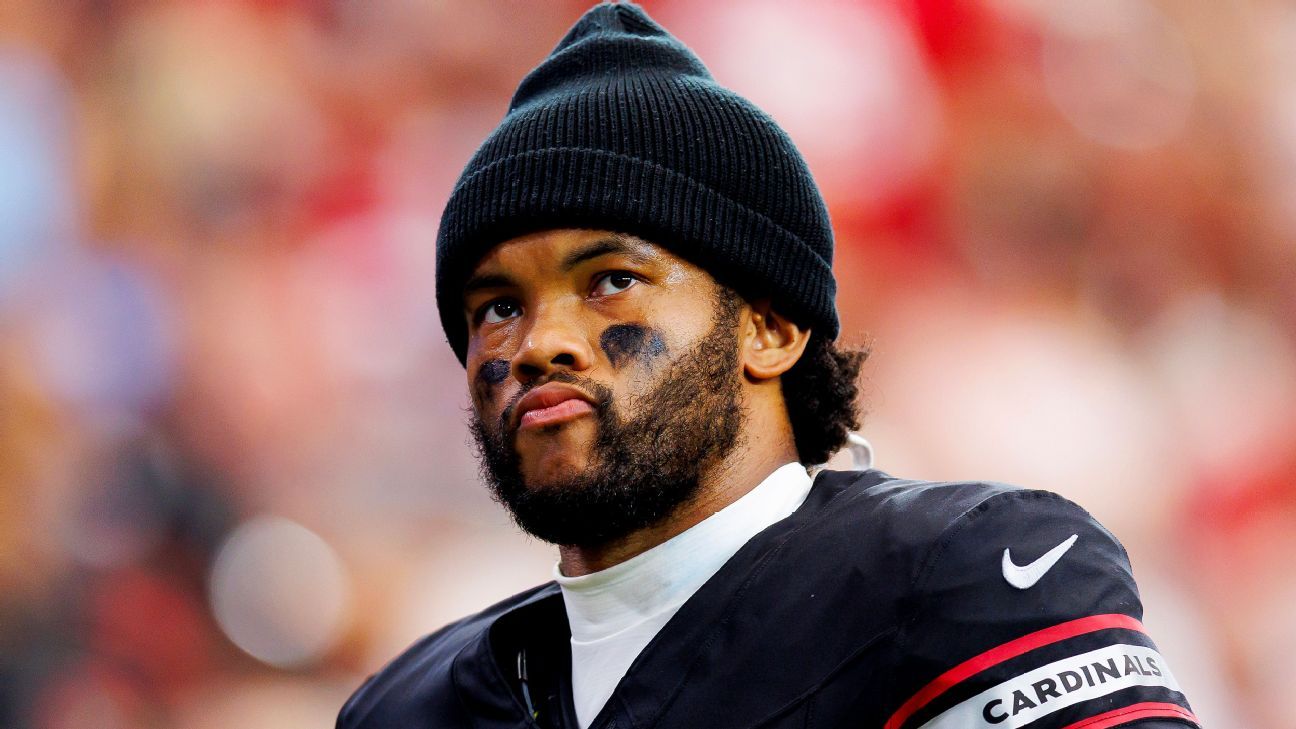
An Individual Athlete or Coach: Perhaps a prominent figure in sports, like Andy Murray in tennis, Jamal Murray in basketball, Kyler Murray in American football, or a coach or general manager named Murray. If this is the case, information would likely be found on sports news sites, official league pages, team websites, or athlete fan pages.
*
A Geographic Location: Murray, Kentucky, for instance, which is home to Murray State University. If this is the reference, the "new league year" might pertain to local sports leagues, high school athletics within the Murray independent school district, or specific events related to sports in that city or region.
*
An Institution or Organization: While our initial sources from Murray State University didn't pan out, "Murray" could still refer to the university's athletic department, a specific sports club or fraternity named Murray, or even a corporate entity involved in sports sponsorship or management. Information here might be on official university athletics websites, NCAA pages, or specific club portals.
*
A League Itself: Though less common, "Murray" could theoretically be part of a league's name, e.g., the "Murray Premier League."
The Significance of "New League Year"
Regardless of who or what "Murray" refers to, the concept of a "New League Year" is highly significant in the world of sports. It typically marks a pivotal transition period, often signaling major changes and fresh beginnings.
*
Professional Sports: In leagues like the NFL, NBA, NHL, or MLB, the "new league year" often coincides with the start of free agency, the opening of the trading period, the draft, or the reset of salary caps. This period is usually characterized by a flurry of player movements, contract signings, and strategic decisions that reshape teams for the upcoming season. It’s a time of intense speculation, news coverage, and fan engagement.
*
Collegiate Athletics (NCAA): For universities, a "new league year" might align with the start of a new academic year, marking new recruiting classes, changes in coaching staff, or the commencement of pre-season training. It could also refer to the beginning of conference play or significant rule changes announced for the athletic calendar.
*
Amateur or Youth Leagues: At a local level, a "new league year" would typically involve registration deadlines, tryouts, team formations, rule updates, and the official start of a new season for various sports.
Understanding these different facets of "Murray" and "New League Year" is the first step towards formulating a more effective search strategy.
Why Initial Searches Missed the Mark: The Scope of Context
As highlighted by the provided reference context, information regarding "Murray New League Year" was not found within the specific documents related to Murray State University's admissions, bursar, or campus visits. This outcome is not a deficiency in the information itself, but rather a mismatch between the query's likely intent and the thematic scope of the available sources.
*
Admissions Information: This content is tailored for prospective students, focusing on academic programs, application processes, student life, and campus opportunities. While Murray State does have a robust athletics program (the Murray State Racers), specific professional or even collegiate "new league year" details would be housed on their dedicated athletics site, not general admissions pages.
*
Bursar's Office Information: This department handles financial transactions, tuition, fees, and billing. Its content is strictly administrative and financial, with no tangential relevance to sports league schedules, athlete contracts, or team news.
*
Campus Visit Guides: These documents are designed to orient visitors, showcasing facilities, providing tour details, and highlighting the campus environment. While a tour might pass by athletic facilities, the purpose of the guide is logistical and promotional for campus experiences, not sports news.
Therefore, the initial "no content found" message is a precise reflection of the data's relevance within its given context. To find information on "Murray New League Year," one must broaden the search to sources specifically dedicated to sports news, official league announcements, or athletic department updates. This serves as a valuable lesson in effective information retrieval: always consider the most probable sources for the type of information you are seeking. For deeper insights into similar search challenges, you might find
Context Review: "Murray New League Year" Details Not Present particularly enlightening.
Effective Strategies for Locating "Murray New League Year" Information
Given the initial lack of specific findings, a more targeted and comprehensive search approach is essential. Here are practical tips and actionable advice for uncovering details related to "Murray New League Year":
1.
Specify Your "Murray": If you have an idea of *which* Murray you're interested in (e.g., Kyler Murray, Murray State Athletics, Murray, Kentucky), include that specificity in your search query.
* *Example:* "Kyler Murray new league year NFL"
* *Example:* "Murray State Racers new league year basketball"
* *Example:* "Murray Kentucky youth soccer new league year"
2.
Target Sports-Specific News Outlets:
*
Professional Leagues: For NFL, NBA, NHL, MLB, etc., consult official league websites (e.g., NFL.com, NBA.com), major sports news sites (ESPN, CBS Sports, Bleacher Report), and reputable team-specific news outlets.
*
Collegiate Sports: Visit the official athletics website of Murray State University (GoRacers.com), NCAA.com, and prominent college sports news sites (e.g., ESPN College Sports).
*
Local Sports: Look for local newspaper sports sections, community sports blogs, or official websites for city recreation departments.
3.
Use Varied Keyword Combinations: Don't stick to just one phrase. Experiment with synonyms and related terms.
* "Murray new season start"
* "Murray league update"
* "Murray free agency news"
* "Murray draft news"
* "Murray transfer window"
4.
Consider the Timeframe: "New league year" implies a recent or upcoming event. Add a year to your search to narrow down results (e.g., "Murray new league year 2024").
5.
Utilize Social Media and Forums: Sports fan communities on platforms like Reddit, Twitter (X), or dedicated fan forums often discuss "new league year" events vigorously. Searching hashtags related to "Murray" and "league year" could yield informal but valuable insights.
6.
Check University Athletic Departments Directly: If "Murray" refers to Murray State University, their official athletics website (e.g., GoRacers.com) would be the primary source for any information regarding their teams' "new league year" preparations, recruiting news, or schedule announcements.
7.
Review Archival Data: If the "new league year" has passed, you might need to search for historical news. Many sports news sites archive their content, allowing searches for past events.
By adopting these strategies, you significantly increase the likelihood of finding relevant information about "Murray New League Year," moving beyond the limitations of general university administrative content. Further insights into refining your search queries can be found by consulting
Searching "Murray New League Year": No Relevant Data Here.
The Broader Impact of a "New League Year" Across Sports
The concept of a "new league year" carries immense weight and excitement across all levels of sport, regardless of whether "Murray" is attached to it. It's a period of renewal, strategy, and often, significant change.
In professional sports, the start of a new league year can be more impactful than even the start of the regular season. For instance, in American football's NFL, the new league year officially begins in March. This date triggers the opening of the free agency period, allowing players whose contracts have expired to negotiate with new teams. It also marks the period when trades can be officially processed and salary caps reset. These initial weeks are a whirlwind of activity, with teams scrambling to sign key players, fill roster holes, and position themselves for the upcoming season's draft. The decisions made during this critical window often dictate a team's success or failure for the entire year, leading to massive speculation and intense media coverage.
Similarly, in basketball, ice hockey, and baseball, the "new league year" or equivalent periods (like the off-season for free agency and trades) are crucial. They define team compositions, create new rivalries, and offer hope to fan bases anticipating a stronger performance. Rule changes, often implemented at the start of a new league year, can also fundamentally alter game strategy and player performance.
For collegiate athletics, the "new league year" often coincides with the academic calendar, but its impact extends beyond mere scheduling. It signifies the arrival of new recruits, the integration of transfer students, and the implementation of new training regimens. Coaches refine their strategies based on the fresh talent available, and teams begin to gel with new leadership and dynamics. For many student-athletes, it's a chance to make their mark, earn starting positions, or prepare for their professional careers. The NCAA's complex rules around eligibility, scholarships, and transfers also come into sharper focus during this period, influencing team rosters significantly.
Even at local and youth levels, the "new league year" is a significant event. It often means new sign-ups, assessments, team drafts, and the excitement of meeting new teammates and coaches. It’s a time when community bonds are formed through shared athletic pursuits, and young athletes learn valuable lessons about teamwork, discipline, and sportsmanship. Whether it's the start of a soccer season for a local club or the registration for a community basketball league, the "new league year" represents a fresh start and an opportunity for participation and growth.
Conclusion
The initial quest for "Murray New League Year" within specific university administrative documents proved unfruitful, a result that underscores the critical importance of matching search queries with appropriate data sources. While Murray State University is a prominent institution, its admissions, bursar, and campus visit pages are logically not the place to find information about sports league dynamics or specific athletic updates.
However, the phrase itself holds significant potential meaning across various sporting contexts. Whether referring to an individual athlete, a geographic location's sports scene, or the athletic department of an institution like Murray State, "new league year" invariably signifies a period of transition, strategy, and renewed excitement. By understanding the potential interpretations of "Murray" and employing a targeted search strategy—focusing on sports news outlets, official league sites, and university athletic departments—one can effectively navigate the vast landscape of information to uncover the specific details being sought. The "new league year" is a universal concept in sports, symbolizing new beginnings, strategic realignments, and the enduring passion that drives athletes and fans alike.